Music and dance
Mariachi trumpets, zapateado and ribboned skirts: what you will see and hear at a fiesta, where it comes from, and how to book it.
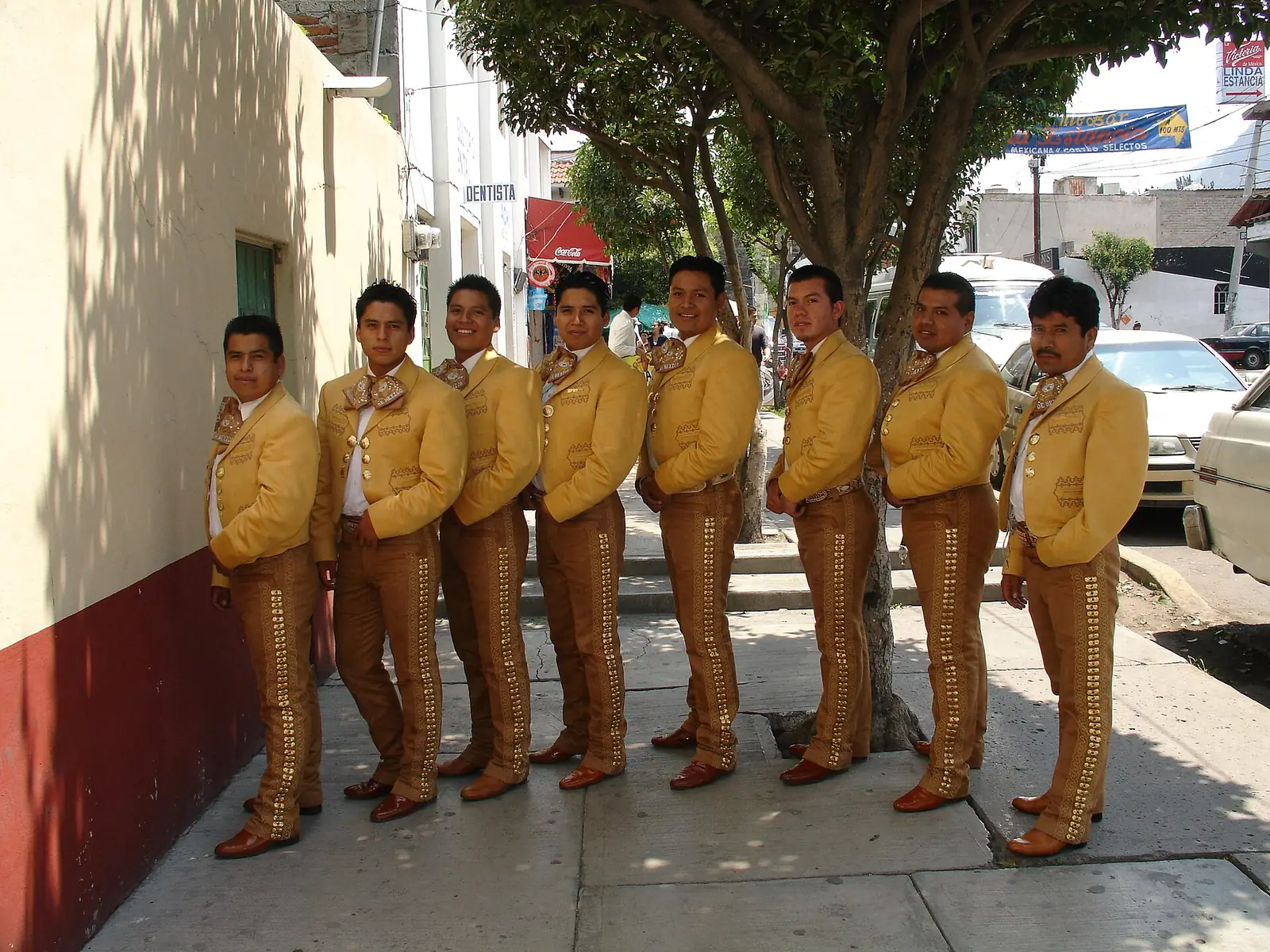
Mariachi
Mariachi is a tradition of string music, song and trumpet that grew up in western Mexico, in the states of Jalisco, Nayarit, Colima and Michoacán, and spread across the country and the Americas. UNESCO inscribed it on its list of intangible cultural heritage in 2011. A typical group has violins, trumpets, guitars, a vihuela and a guitarrón (a large bass guitar), and the musicians wear the charro suit.
Some songs you will hear: Cielito Lindo, El Son de la Negra, Las Mañanitas (sung at birthdays) and Guadalajara.
Sources: UNESCO Intangible Cultural Heritage (inscribed 2011)
Dance
Baile folklórico
The umbrella name for regional dances staged in costume: skirts that swirl in Jalisco, ribbons in Veracruz, and fast footwork, the zapateado, in many styles. Groups usually are community or school-based, and many perform at Cinco de Mayo festivals in the United States.
Jarabe tapatío
The “Mexican hat dance” is a courtship dance from Jalisco. It is often performed in the charro and china poblana costumes. The china poblana dress, with its embroidered skirt, has long been tied to Puebla.
Son jarocho and huapango
Son jarocho from Veracruz, with its jarana guitars and fast-stamping dance on a wooden platform, is the style behind La Bamba. Huapango is the related tradition of the Huasteca region.
Danza de los Voladores
In the ritual of the Voladores, performers descend by rope from the top of a tall pole while a musician plays flute and drum. It is practised by several Indigenous peoples of Mexico, including the Totonac, and is on the UNESCO list (2009).
Sources: UNESCO Intangible Cultural Heritage (inscribed 2009); National Geographic History
Booking and playing it well
- Book musicians and dance groups 8 to 12 weeks ahead. Ask for their set length, sound needs and fee in writing.
- Look for local folklórico schools, university Latino cultural groups and community arts organisations first.
- Plan thirty-minute sets with breaks, and give dancers a flat, safe floor; wooden footwork on grass or gravel is a problem.
- Introduce each group and its dance to the audience, so the music is explained and not just background.
- Keep recorded music to Mexican artists, not only mariachi: cumbia, norteño, banda and Mexican pop also fill a dance floor.
Ready to book? Use the fiesta planner for a run of show.