Puebla and the US celebrate differently
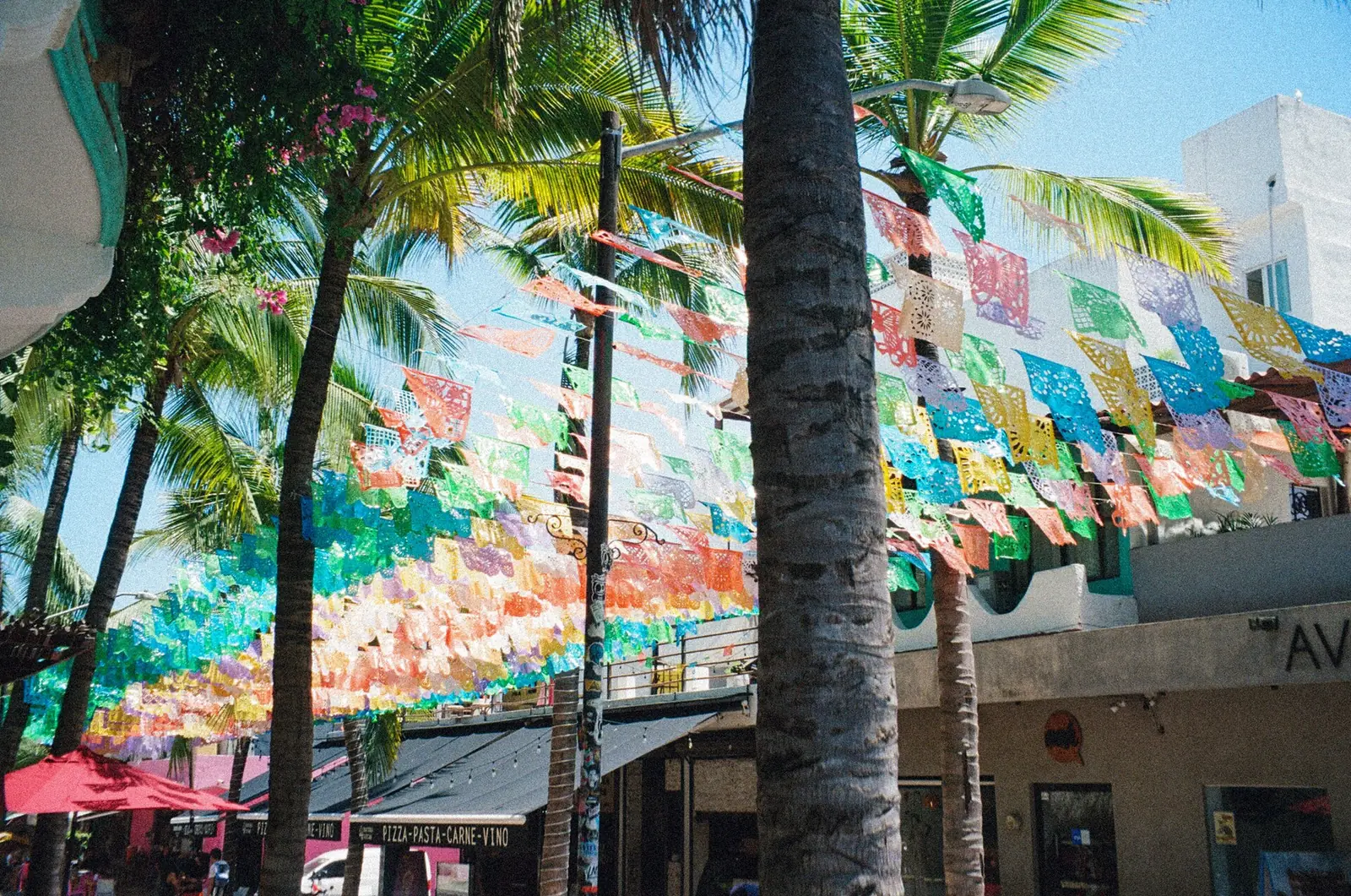
One date, two traditions. In Puebla it is a civic anniversary. Across the United States it has become a festival of Mexican and Mexican-American culture.
Side by side
| In Puebla | In the United States | |
|---|---|---|
| What it is | An anniversary of a military victory | A celebration of Mexican and Mexican-American culture |
| Typical events | Civic and military parade, wreath-laying, a re-enactment of the battle | Parades, street festivals, folkloric dance, mariachi, food stalls |
| Who is there | Local families, schoolchildren, soldiers and officials | Communities of every background, often raising money for local causes |
| Food | Regional Puebla dishes such as mole poblano and cemitas | Tacos, tamales, elote, and Mexican-American restaurant favourites |
| Public holiday? | A civic day in Puebla; not a national day off | Not a federal holiday; a cultural observance |
Sources: NPR; National Geographic History; HISTORY
In Puebla
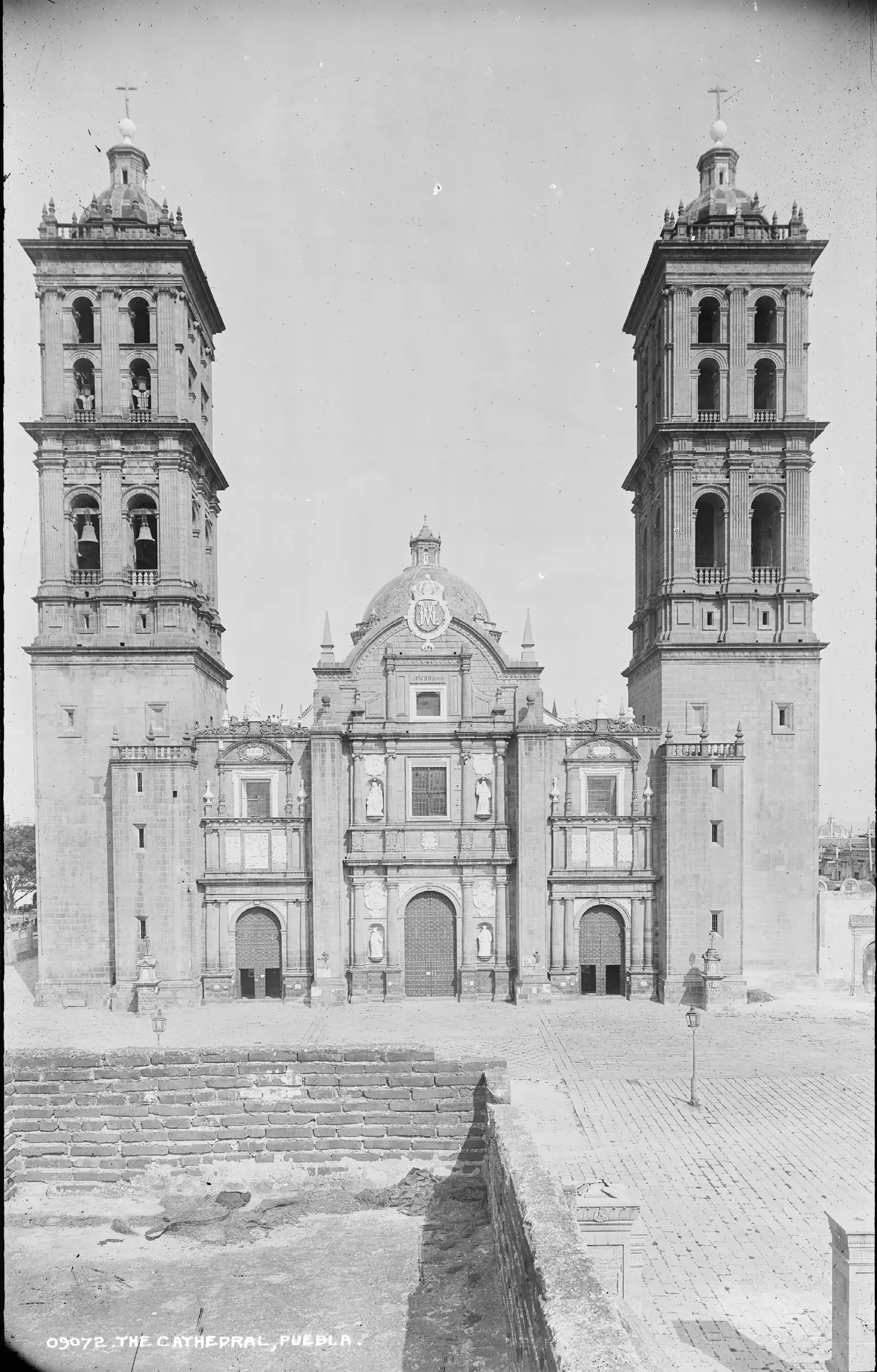
The state of Puebla keeps the day as the anniversary of its defence. The centrepiece is a civic and military parade, and the battle is re-enacted near the forts on the ridge where it was fought. Schools hold ceremonies; flags and speeches mark a victory that is told as a story of ordinary people holding a hill.
The forts of Loreto and Guadalupe still stand above the city and are now part of a civic and museum zone where visitors can walk the ground. Elsewhere in Mexico the day passes quietly, with commemorations in schools and public ceremonies rather than a day off.
What Puebla eats
Puebla is one of Mexico’s great food cities: mole poblano, the chile-and-chocolate sauce; cemitas, sesame rolls piled with meat, avocado and chipotle; chalupas; and sweets made in the old convents. More on the food of Puebla.
Sources: National Geographic History; NPR; Government of Mexico
In the United States
Latino communities in California marked the victory in 1862, according to historian David Hayes-Bautista. Chicano activists revived the day in the 1960s, and its meaning has been argued over ever since: resistance to foreign domination, pride in heritage, and later a marketing opportunity.
Today the biggest celebrations are held in cities with large Mexican-American communities, among them Los Angeles, Chicago, Denver and Houston, but there are smaller ones in towns across the country. Many are run by community groups, parishes and non-profits, and many raise money for local causes.
Taking part respectfully
- Learn the history, and tell people it is not Independence Day.
- Eat at Mexican-owned restaurants and buy from Mexican and Mexican-American makers.
- Skip stereotyped costumes and fake accents; wear something you would wear anywhere, or the real folk dress if you are part of a dance group.
- Learn a few Spanish words and use them correctly.
- Drink responsibly, and keep the day about more than alcohol.
Sources: University of California Press; TIME; HISTORY
Looking for a local festival?
This site is an independent guide. It does not run, represent or list any festival, and it cannot confirm dates, schedules or locations. If you followed an older link to a community festival, for example one in Sioux Falls, South Dakota, check that festival’s own channels or your city’s events listing for the current year.
If you would rather put one on yourself, our fiesta planner turns a guest count into quantities, a run of show and a checklist.